
Business Advice
Why do limited company accountant fees vary so much?
Limited company accountant fees can vary widely because the work included can be very different. Here is what to compare before choosing an accountant.
Sep 8, 2026
We keep a close eye on what’s going on in the world of business, tax and government policy and share our insight here.
Limited company accountant fees can vary widely because the work included can be very different. Here is what to compare before choosing an accountant.

From April 2027, company cars, fuel, vans and medical benefits begin moving into real-time payroll reporting. Here is what employers should prepare before the change.
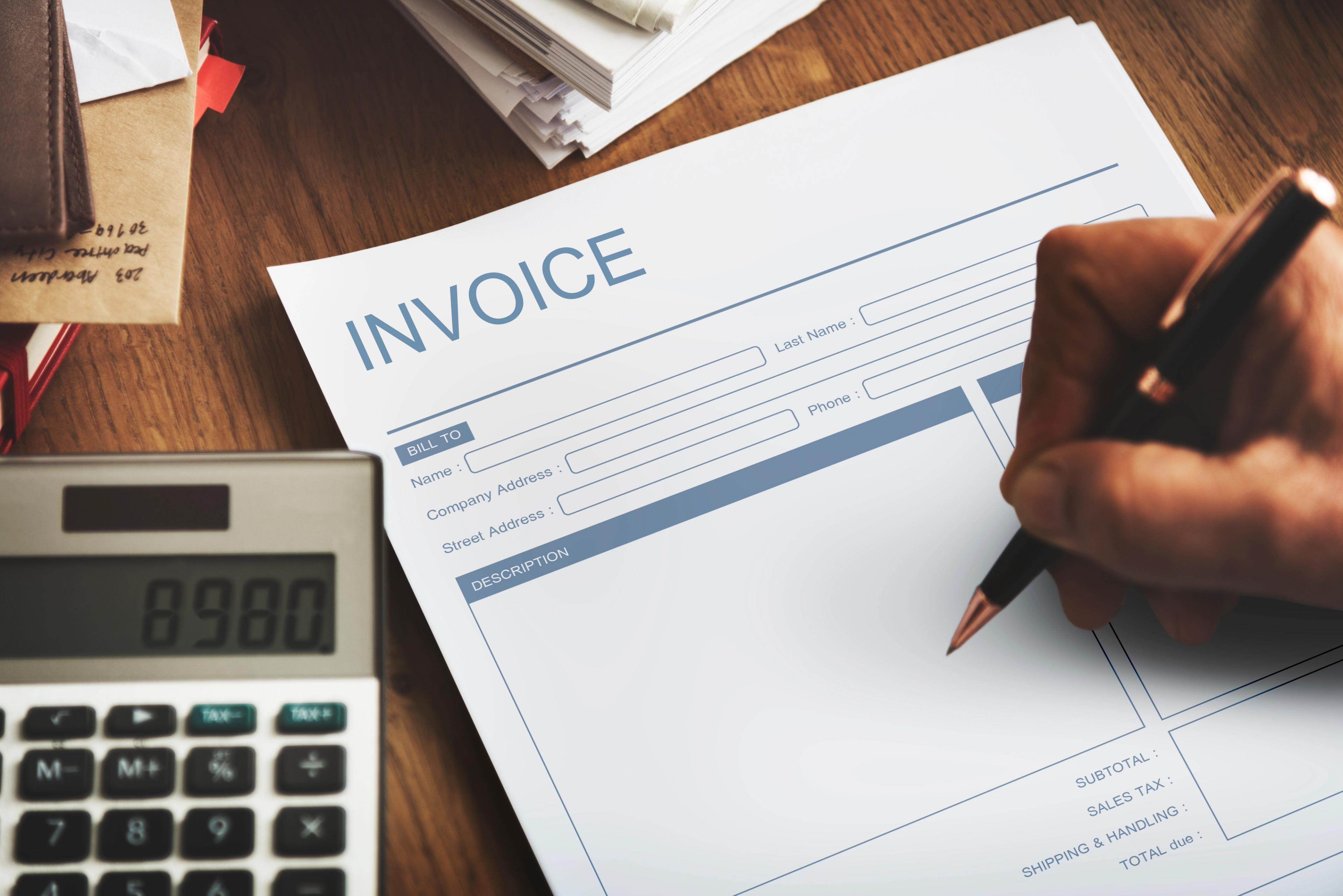
A director’s fees are normally employment income, but genuinely separate services can sometimes be provided to the company in another capacity. Here is how HMRC approaches the distinction.
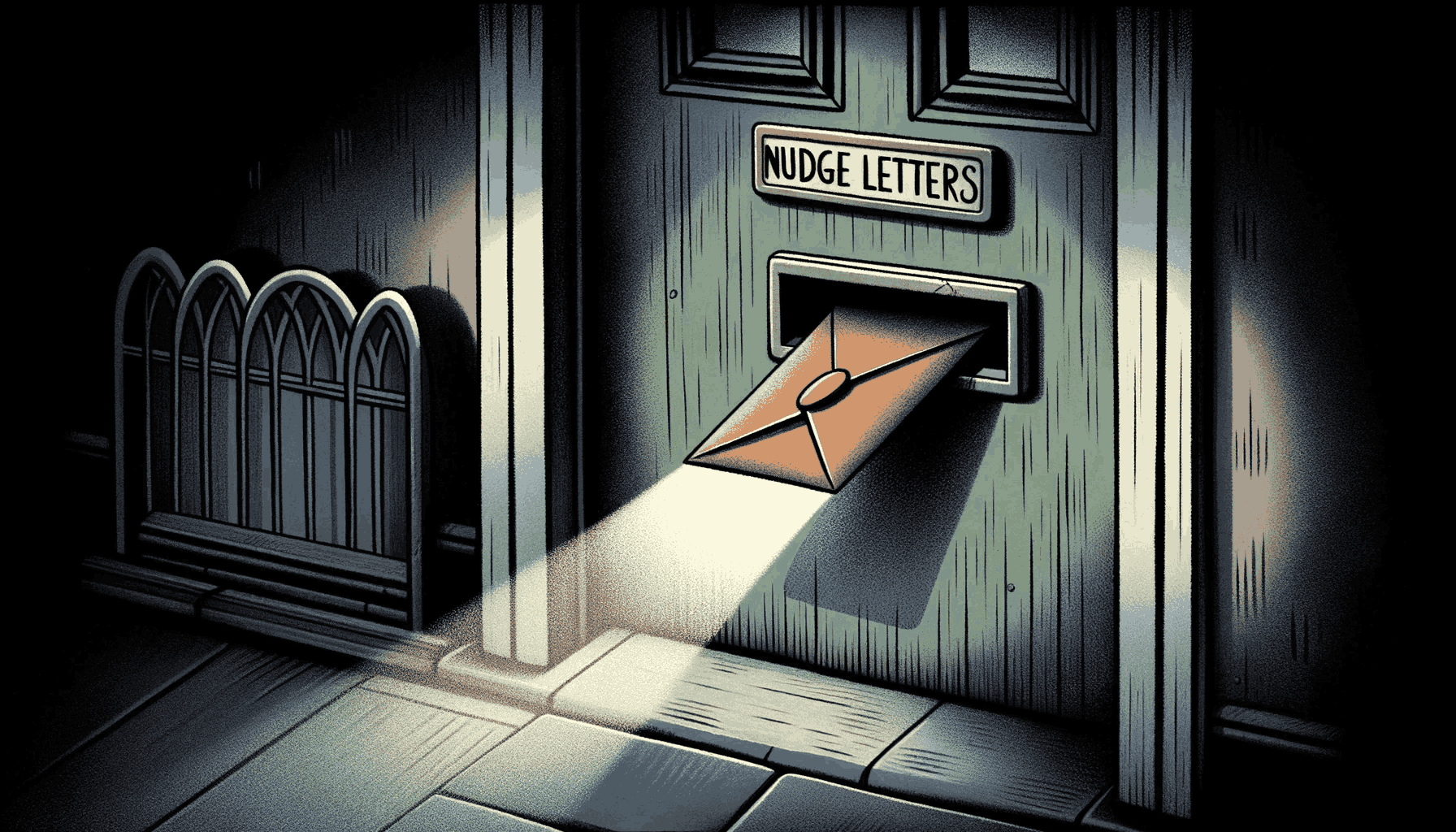
An HMRC nudge letter is often a prompt to check a particular tax risk rather than a formal compliance check. Here is how to read it, verify the position and decide what to do next.

Earning money from a side hustle can create tax and Self Assessment obligations. Here is how the £1,000 trading allowance, registration deadlines and Making Tax Digital rules fit together.

Your accountant does not necessarily need to be nearby. For many owner-managed businesses, competence, communication and the right fit matter more than postcode.

Not every business needs the same level of accountancy support. The right answer depends on complexity, time, confidence and the consequences of getting something wrong.

Company culture is not about perks or slogans. In a small business, it is the way people work together, make decisions, handle mistakes and understand what good work looks like.

Changing accountants is not a decision most business owners take lightly. These seven signs can help you work out whether the relationship is still giving you the confidence, clarity and support you need.